
From Inside the Dealership
Potential Conflicts of Interest and Limitations of GAP Coverage
By Ryan (10 years as a dealership sales manager and finance and insurance (F&I) manager)
5 min read · Updated Nov 24, 2026
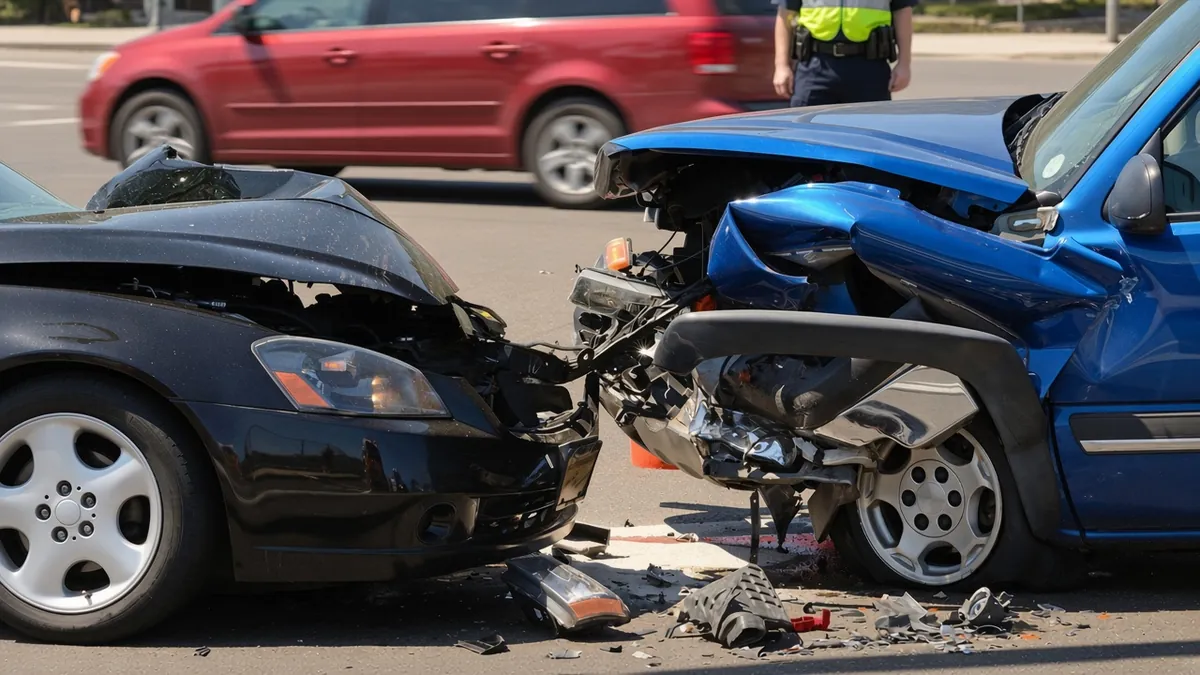
GAP protection can be valuable, particularly when financing a vehicle with little money down, rolling negative equity into a new loan, or financing a large percentage of the vehicle's value. However, where you purchase GAP coverage and who administers it can matter just as much as the coverage itself.
1. Total-Loss vs. Repair Decisions
When a vehicle is declared a total loss, the primary auto insurer generally pays the vehicle's Actual Cash Value (ACV), not the amount you owe on your loan. GAP coverage is intended to cover some or all of the remaining difference.
Consider a situation where a vehicle is worth $20,000 but the outstanding loan balance is $28,000. If the vehicle is totaled, the primary insurance pays its $20,000 ACV, and GAP may cover the remaining $8,000, subject to the policy's terms and limitations.
This creates an interesting potential conflict when the same insurance company provides both the primary auto insurance and GAP coverage. A borderline total-loss decision could affect whether the company pays for repairs or a vehicle's ACV, potentially triggering an additional GAP obligation. State total-loss thresholds, valuation requirements, and salvage regulations limit an insurer's discretion, but the potential financial conflict is worth understanding.
2. Actual Cash Value (ACV) Disputes
GAP coverage is calculated using the difference between the vehicle's insurance settlement and the outstanding loan balance. This makes the ACV valuation especially important.
For example, if you believe your vehicle is worth $20,000 but the insurer values it at $18,000, that $2,000 difference increases the amount potentially owed under the GAP coverage.
If the GAP policy has maximum payout limits, valuation restrictions, or other exclusions, a lower-than-expected ACV settlement could leave you responsible for part of the remaining loan balance. Always review how the vehicle's value is determined and what happens if you disagree with the insurer's valuation.
3. Loan-To-Value (LTV) Limits and Coverage Caps
Some GAP policies restrict coverage based on the loan-to-value ratio (LTV). This is particularly important when financing between 100% and 135% of a vehicle's value.
For example, if you finance 135% of a vehicle's value because you rolled negative equity from a previous loan into the new financing, your GAP coverage may not protect the entire difference. Some policies impose maximum LTV limits, dollar caps, or restrictions on how much negative equity can be covered.
Don't assume that purchasing GAP automatically means your entire loan balance is protected. Verify the maximum LTV, maximum benefit, and whether previously financed negative equity is included.
4. High Mileage and Driving Habits
How many miles you drive each year plays a major role in how quickly a vehicle loses value. High-mileage driving accelerates depreciation, sometimes faster than regular monthly loan payments reduce the principal balance.
For example, two buyers could finance the same vehicle on similar terms, but the driver putting heavy annual miles on the car may see its market value drop faster than expected. If the vehicle is totaled or stolen unrecovered, a steeper drop in Actual Cash Value (ACV) can widen the difference between the insurer's valuation and the remaining loan balance especially if the GAP contract has dollar caps, mileage rules, or exclusions.
5. Coverage Exclusions and Contract Limitations
GAP coverage does not automatically cover every dollar tied to a loan. Contracts commonly exclude items such as past-due payments, late charges, deferred payments, certain fees, insurance deductibles, and rolled-over negative equity.
Even when a claim is approved, contract rules and benefit limits can still leave a balance behind.
Read the actual GAP agreement, not just the sales brochure. The contract's exclusions and terms are what determine how much protection you actually have.
6. What to Check Before Buying GAP From Your Lender or Insurer
Credit unions, banks, and auto insurers often sell GAP or loan/lease payoff coverage at lower upfront prices than a dealership, making them look like an easy choice.
Before signing, consider the built-in conflicts of interest:
- Through your lender: The institution holding your loan is also selling or administering the waiver that protects its own balance. If there is a dispute over missed payments, rolled-in add-ons, or claim delays, you are navigating it with the same institution you owe money to.
- Through your auto insurer: When one carrier provides both your primary auto policy and GAP/loan payoff protection, it controls the vehicle's ACV valuation, the repair-versus-total-loss decision, and the secondary payout, which many insurers also cap at 125% of ACV.
None of this means lender or insurer coverage is automatically bad, or that an institution will act improperly. It simply means you should know who sets the numbers, who administers the claim, and whose financial interests are on the other side of the table.
The bottom line: Don't shop for GAP coverage based on price alone. Compare the actual contracts, maximum LTV limits, payout caps, exclusions, and claim procedures. A cheaper GAP policy isn't necessarily a better deal if it leaves you exposed when you need it most.